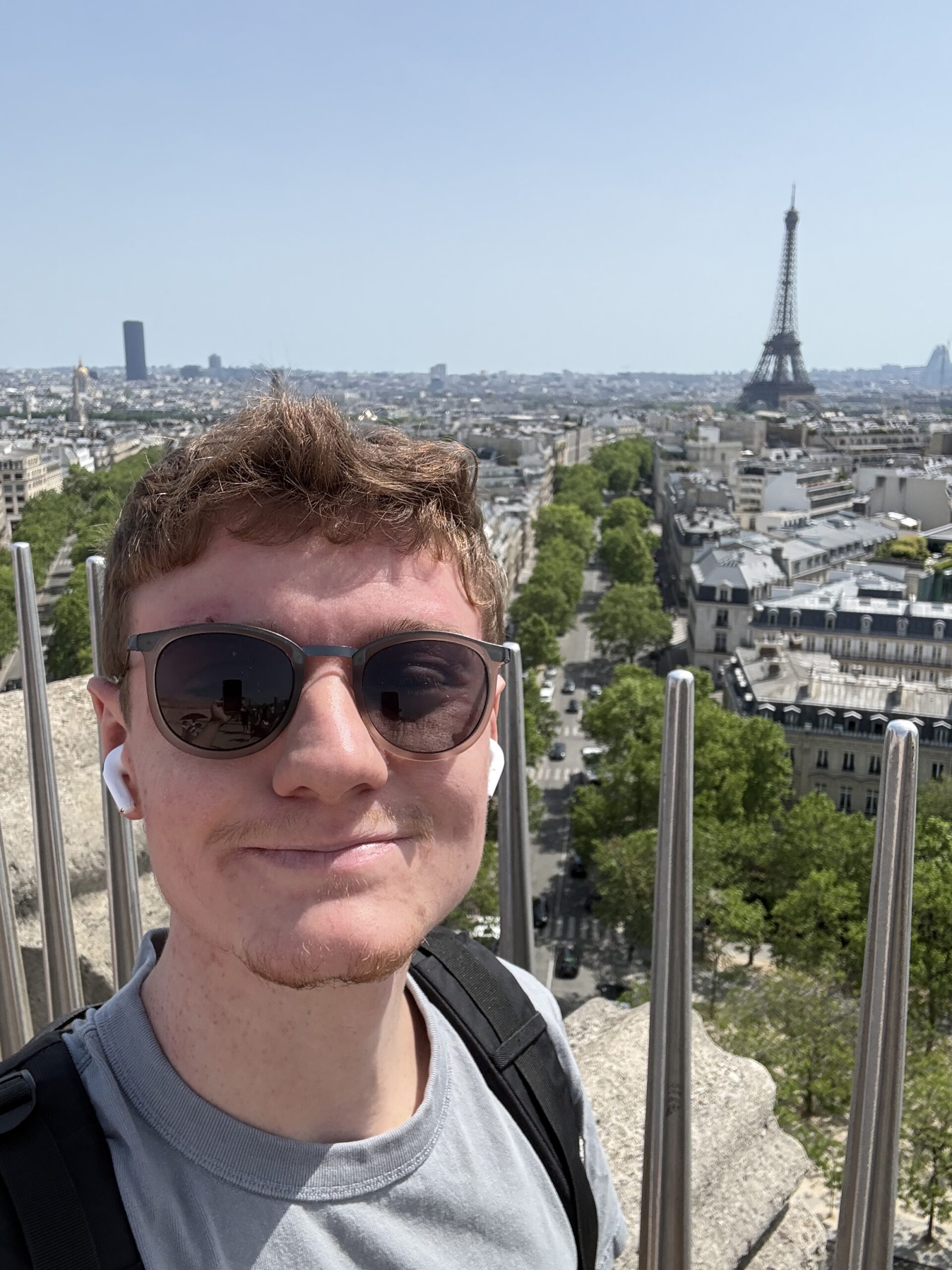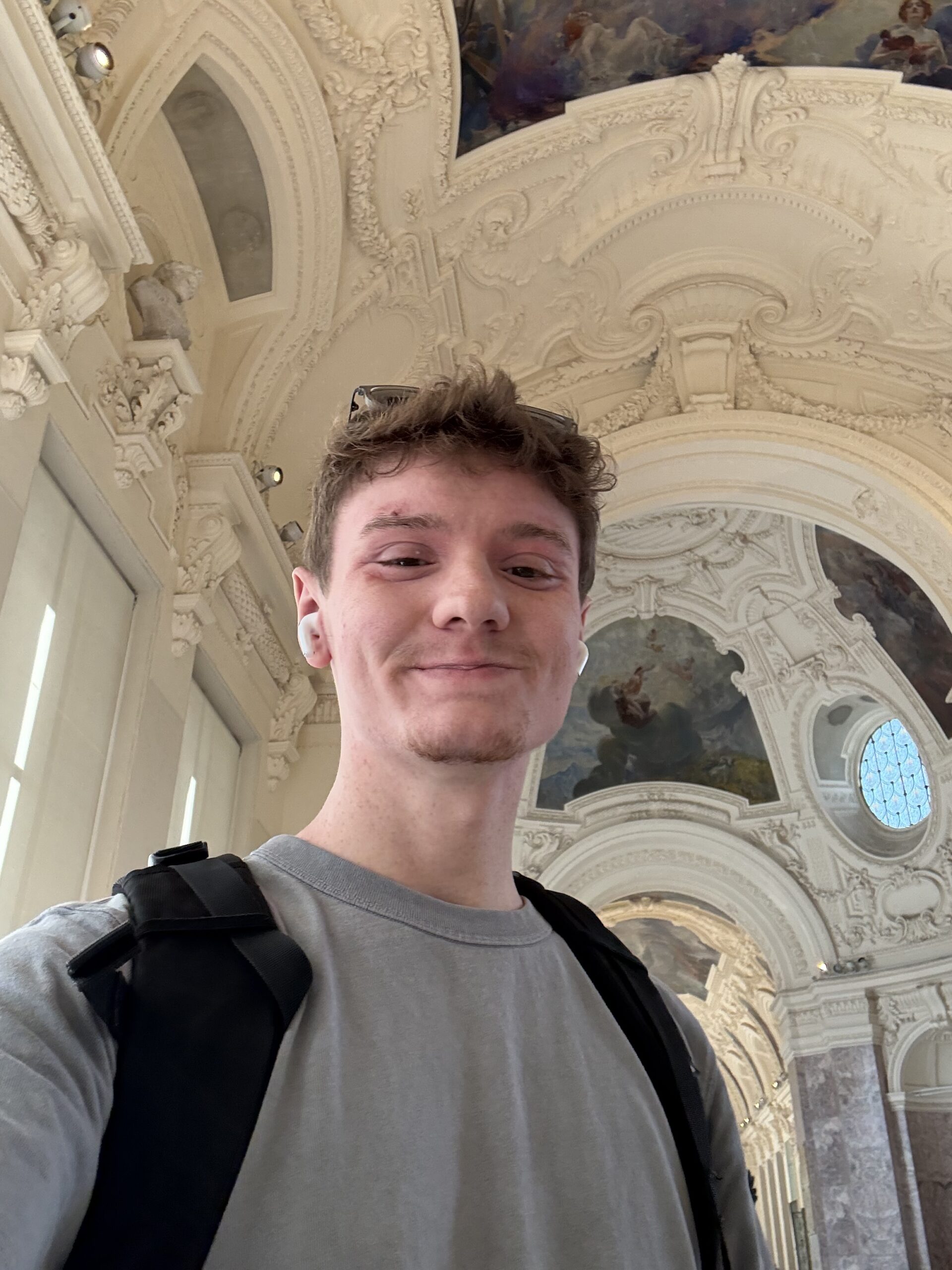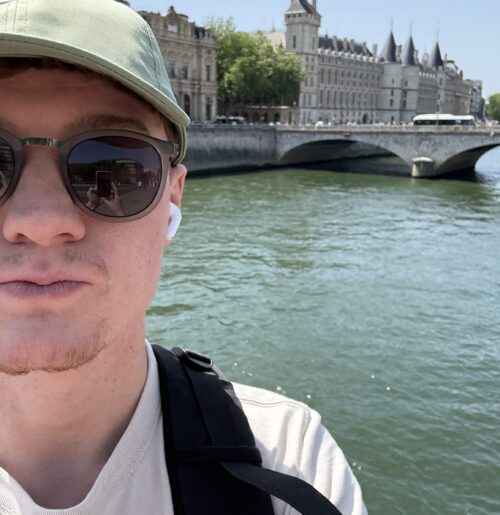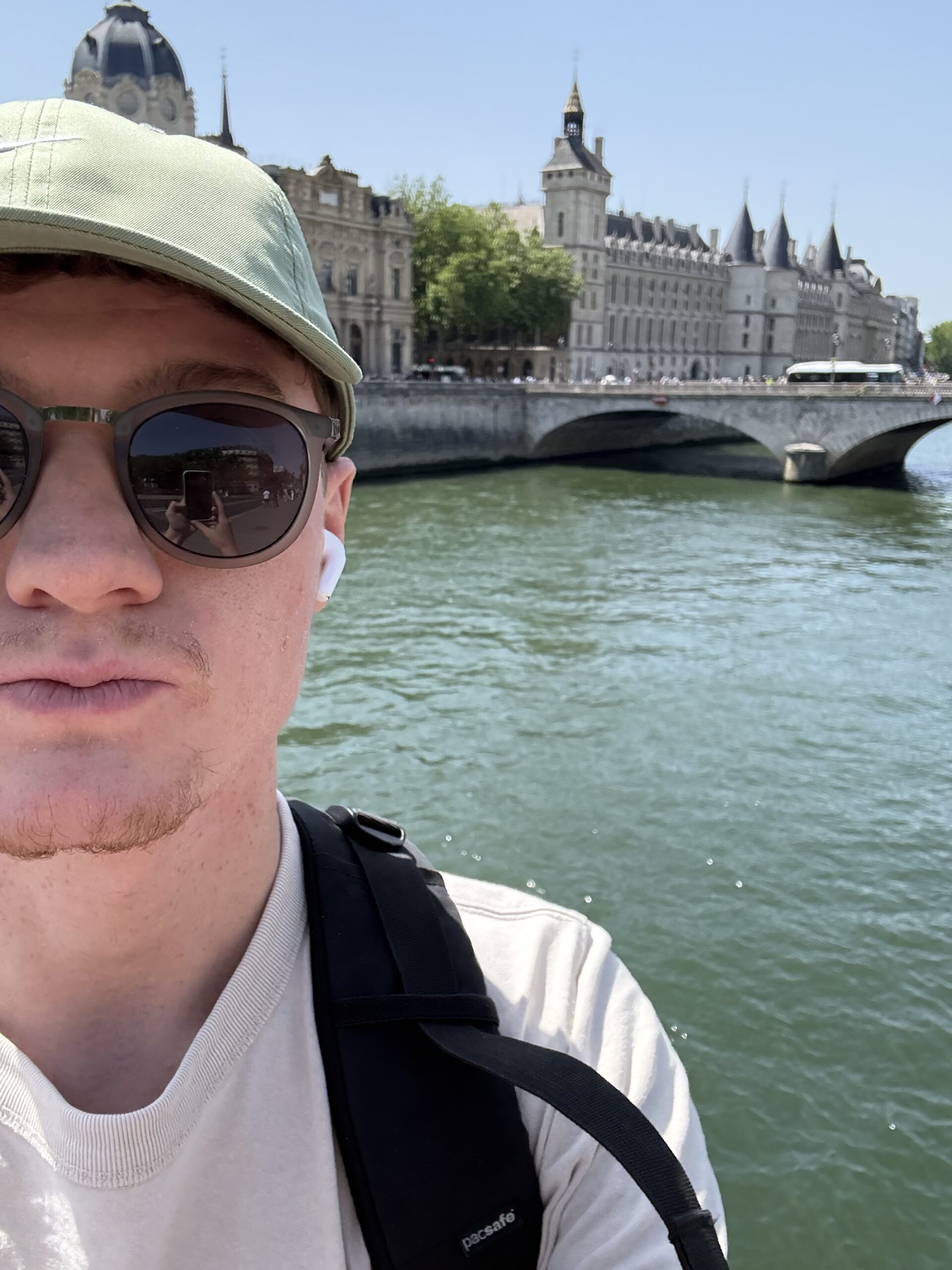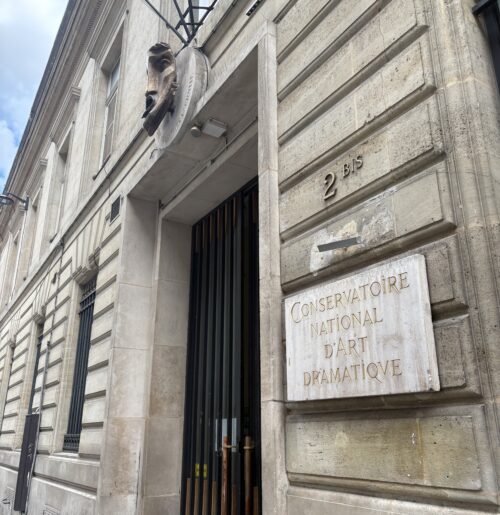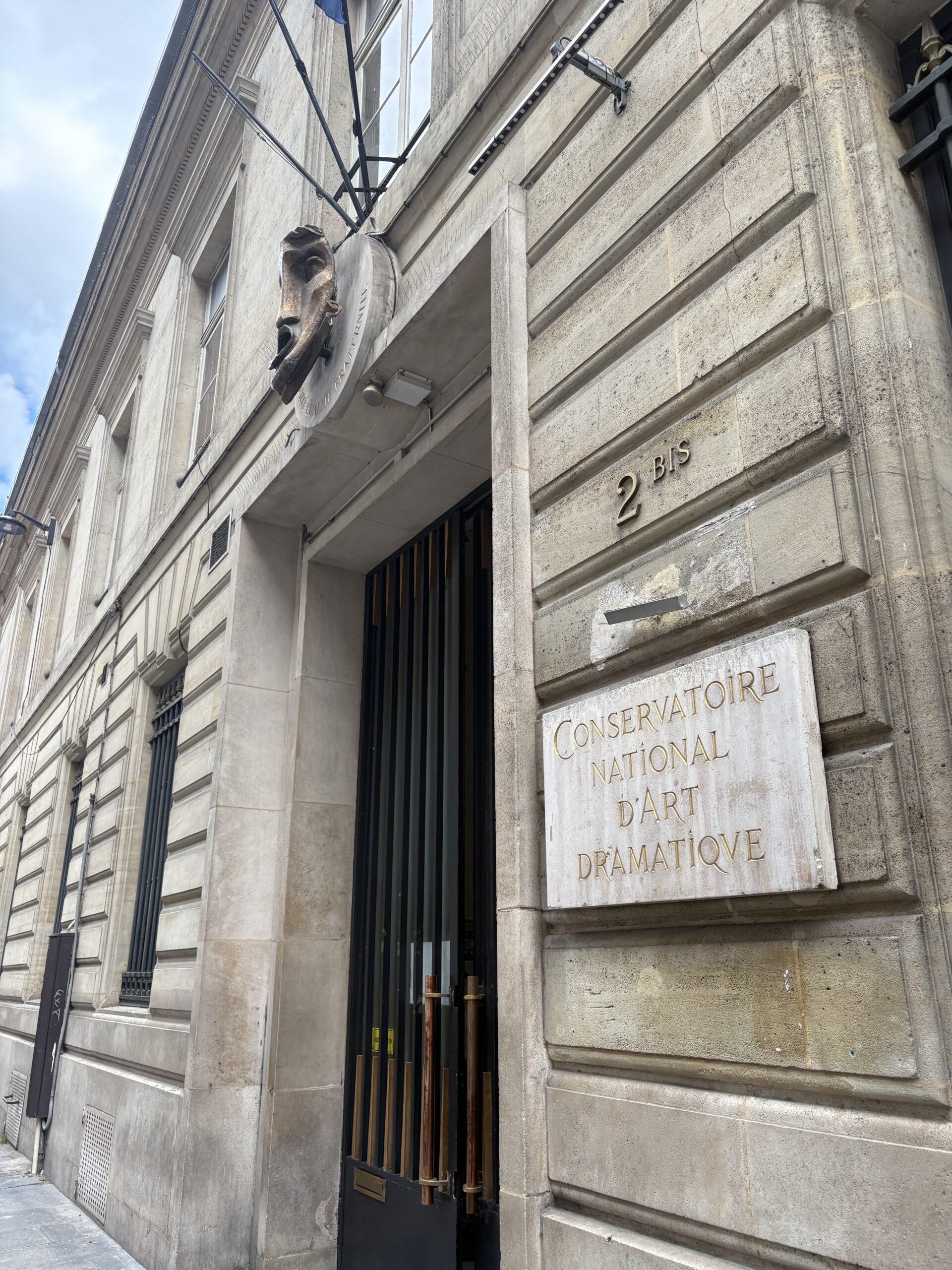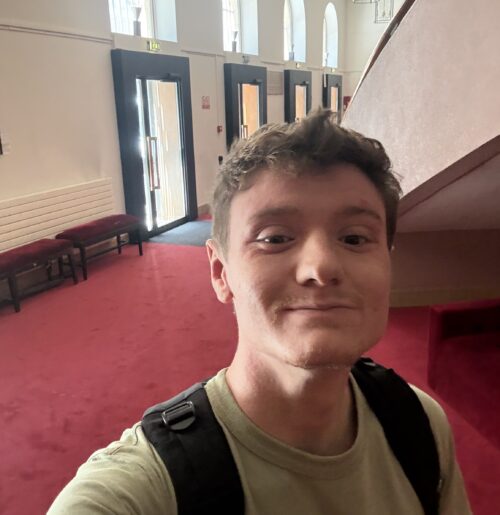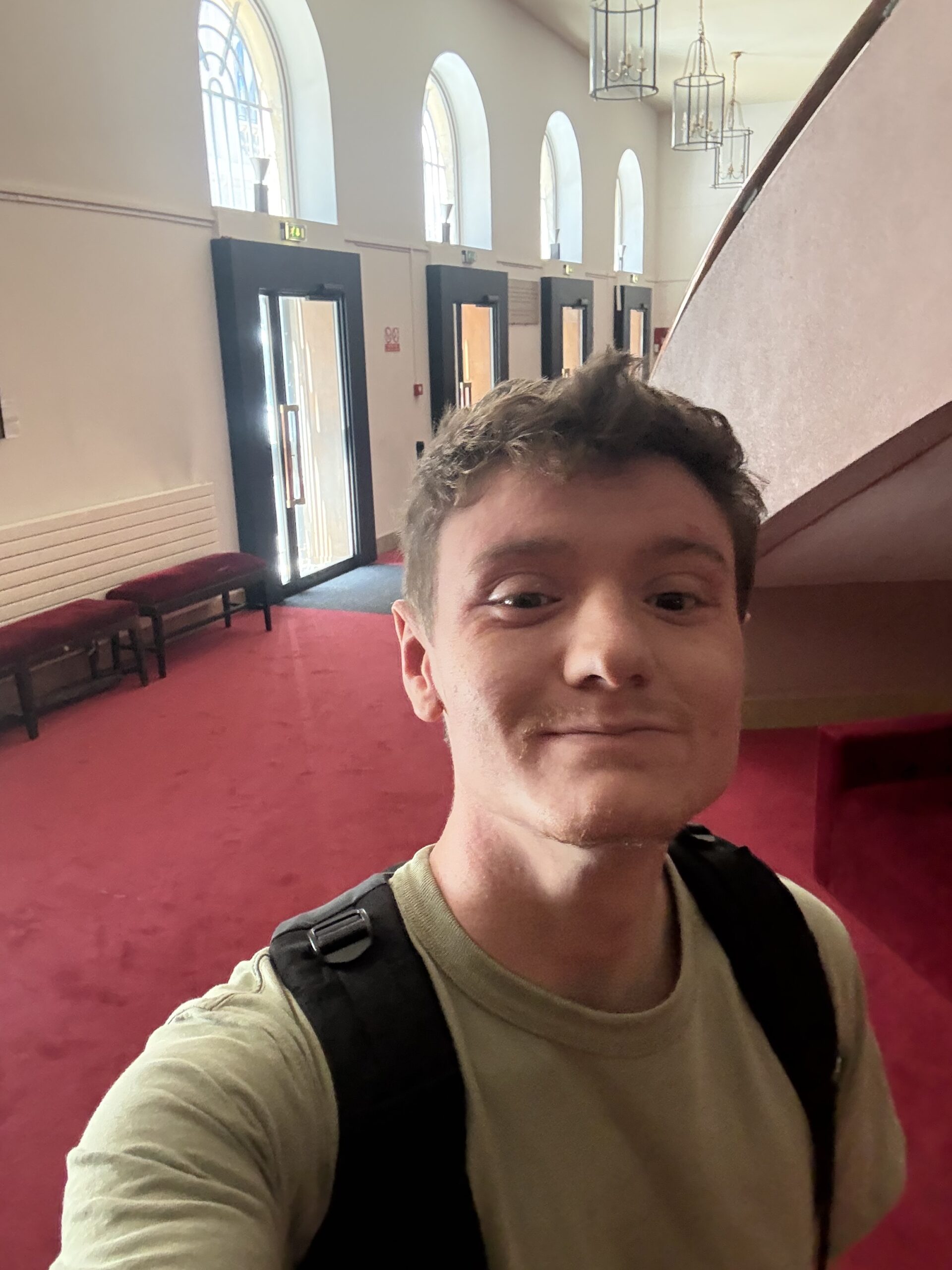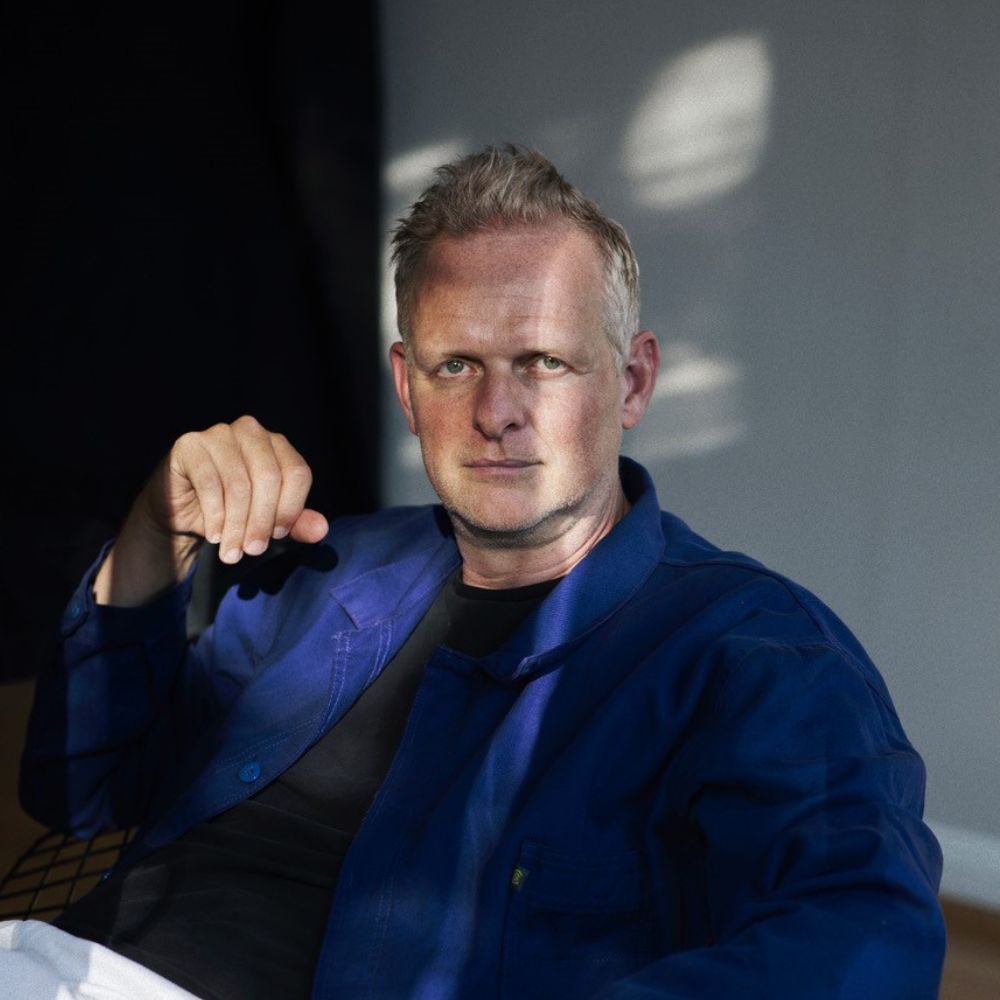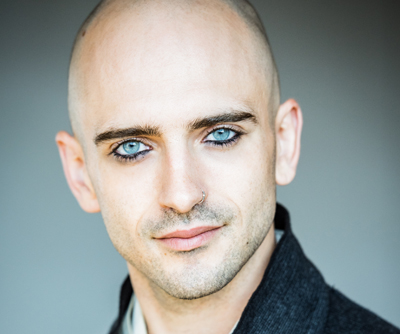
Simon Rioux at the Conservatoire national supérieur d’art dramatique in Paris
A year ago, I was wrapping up my final year in the Mise en scène program at the National Theatre School of Canada. Right before the year kicked off, an opportunity came up: a placement in Paris at the Conservatoire national supérieur d’art dramatique. The two schools have a long history of collaboration, and I was being offered a chance to study inside walls that have seen generations of theatre-makers — Isabelle Huppert, Pierre Niney, Maria Casarès, Muriel Robin, Jonathan Cohen, Laurent Lafitte, among so many others. Slowly but surely, it became real, until the day I finally got on the plane.
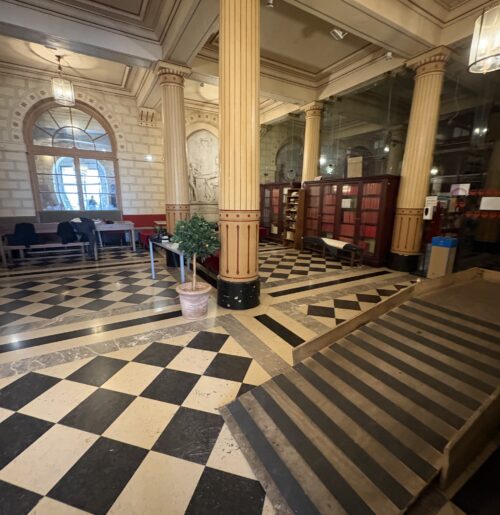
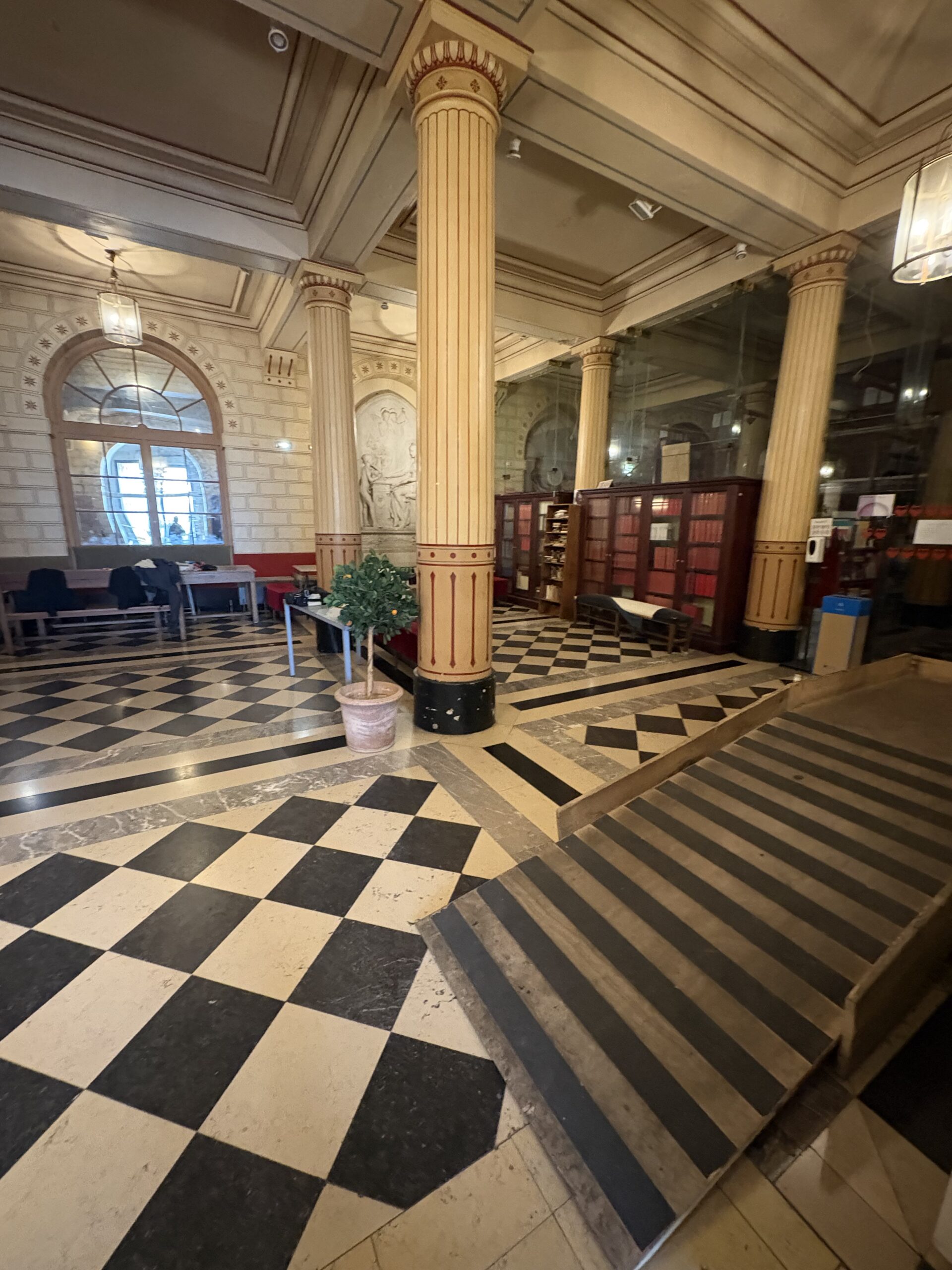
Before I left, NTS Artistic Director Frédéric Dubois told me: “You’ll see — the moment you walk in, you feel it. Something happens.” He was right. On Monday, May 18th, I stepped through the front doors of the CNSAD for the first time. The columns, the mirrors, the books piled on long tables, costumes draped over everything — theatre was everywhere. You didn’t just see it, you felt it. Racine was being recited somewhere nearby. A cry rang out from the third floor. The whole building seemed alive with it.
Marie-José Malis, who runs the Jouer et mettre en scène master’s program, welcomed me and walked me through what the next three weeks would look like: acting classes, rehearsal observations, masterclasses, one-on-ones with artists. I sat there in the lobby of the Paris Conservatoire thinking — a kid from the Gaspésie, here? After everything the NTS had already given me, this felt almost unreal. The kind of thing that makes you believe anything is actually possible.
On my very first day, I was introduced to Jean-François Sivadier, a guest director working with half the second-year class on a month-long workshop — a project that will eventually become a full production next year. I spent the next two weeks sitting in on his sessions. Long days watching him build from improvisation, working through Shakespeare, Chekhov, and — of all things — Jean-Luc Lagarce, the same playwright whose Juste la fin du monde I had directed for my graduating project. Watching those students work was humbling. Their commitment and the ease with which they handled such demanding material were something else entirely.
In between, I had conversations that I’ll carry with me for a long time — with Raphaël de Almeida Ferreira, director of the Jeune Théâtre National, and with André Markowicz, the dramaturg and translator, who talked with me about Chekhov, about translation, about poetry.
Then, halfway through my stay, another door opened. I got access to rehearsals for Julien Gosselin’s new production — the show that will open the Festival d’Avignon in the Cour d’honneur of the Palais des Papes this July. A few evenings a week, I’d head to the Ateliers Berthier and watch this enormous production come together — fifteen people working at once, a large and remarkable cast, the whole thing slowly finding its shape.
Paris gave me more than I expected. I moved between rehearsal rooms and theatres, catching show after show. I spent time in museums, at the opera, wandering through the city. I came back fuller — with ideas, questions, influences, and a renewed sense of what this work can be. It’s an experience that has already changed me, and I know it will keep doing so for years to come.
Simon Rioux, graduating student, Mise en scène (2026)